Telescope Specifications
1.) Dobsonian
2.) Truss-type construction
3.) f/5, 17.5" main mirror, temperature controlled
4.) 3.1" secondary mirror, temperature controlled
5.) 4.5" reflector telescope as finder
6.) Crayford focuser
Design Issues
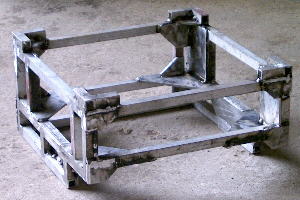
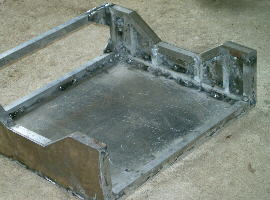
 It wasn't that long ago that I never would have thought of building a telescope. And my first telescope, Stargate-1 , hasn't yet seen first light, and I'm already designing its successor. Why? Already, much to my dismay, everything has finished out over-size and over-weight. For example, the mirror box, with mirror in place, will weigh a whopping 106 pounds! And the combined height of the ground board/rocker/mirror box/secondary is 5-1/2 inches too high to fit stacked together in my Jeep. With that, below are the original five design objectives, plus five new objectives:
1.) Rich-field telescope
2.) Easy to transport and set up by one person
3.) Quick assembly and disassembly
4.) Light, and compact when disassembled
5.) Low-cost when compared to commercially-made telescopes
6.) The entire telescope (excluding ground board) will be made from welded aluminum.
7.) The unassembled telescope (excluding truss tubes) will be able to fit stacked into my Jeep.
8.) The mirror cell will be designed around the mirror cooler (provided that it passes field trials).
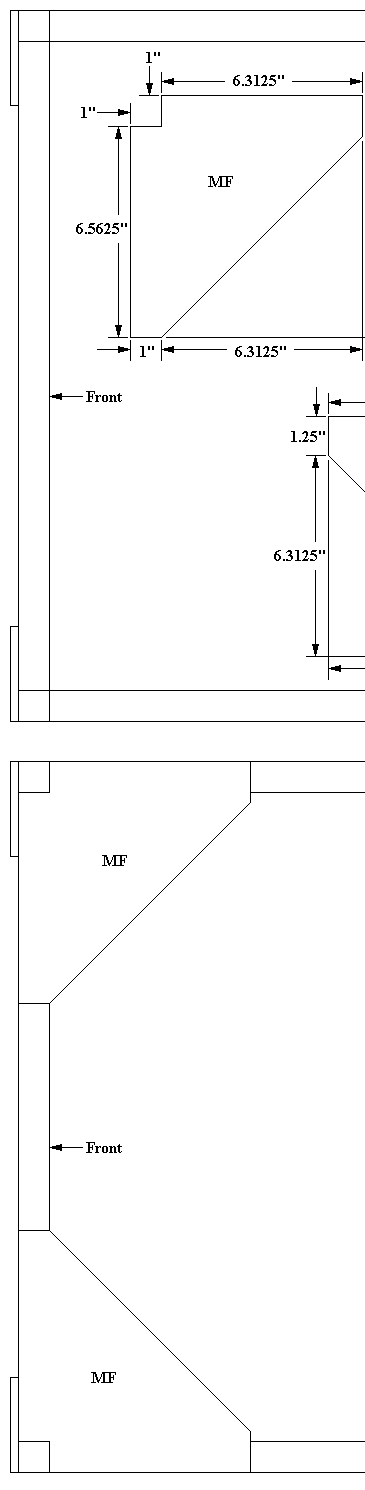
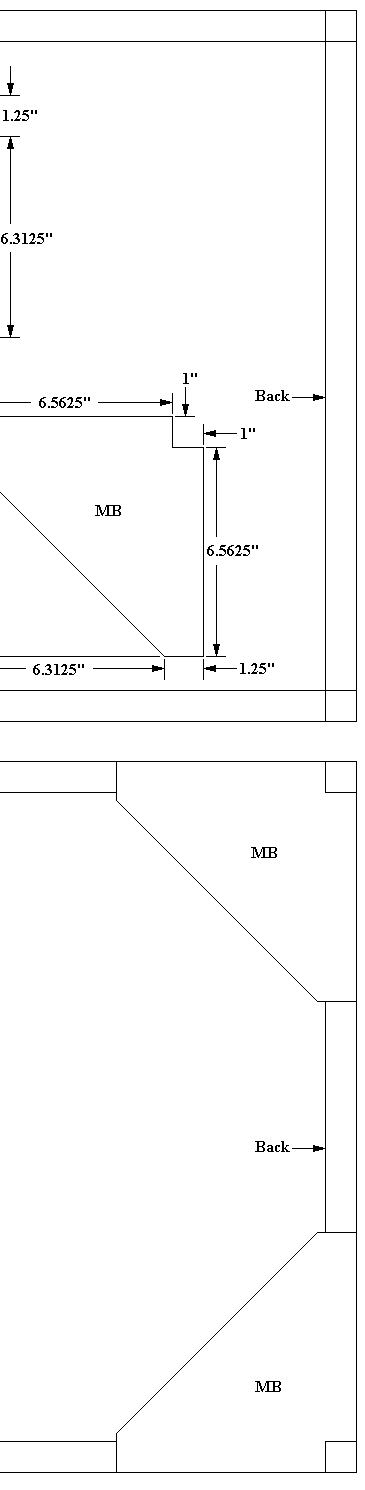
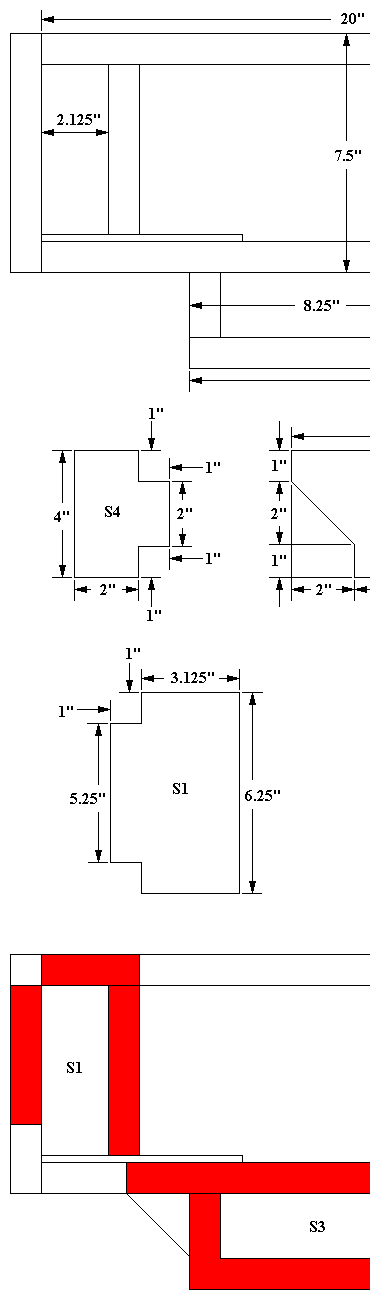
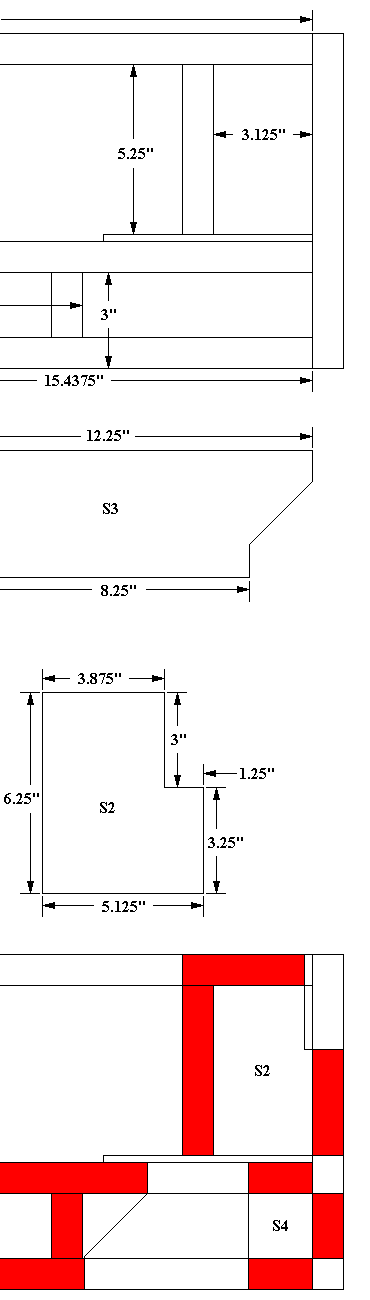
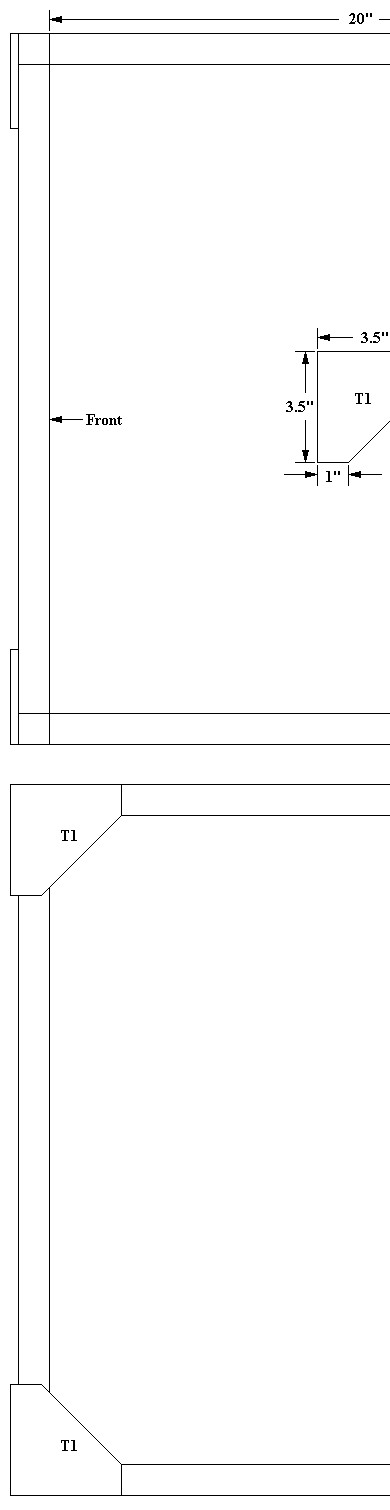
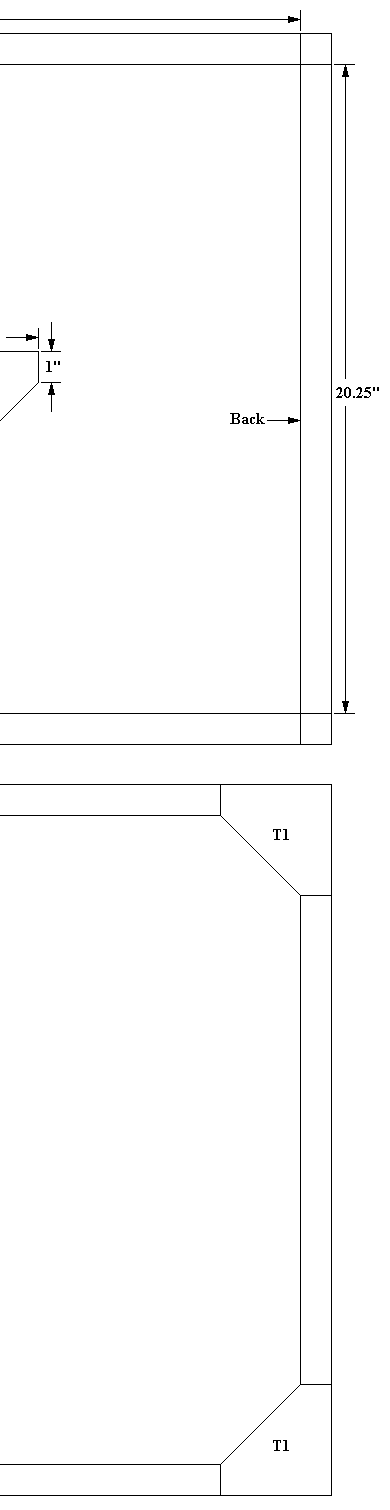
9.) The mirror box will be much shallower, as will the rocker.
10.) The combined weight of the rocker and mirror box shall not exceed 80 pounds.
To say the least, I have learned a lot from my first experience. And before I finalize a design, I will learn as much as I can from the Stargate-1 before building the Stargate-2. At least, I will be able to reuse a large part of it, including the secondary cage, truss tubes, side bearings, ground board, primary mirror, mirror cooler, and control and power electronics. Also, I plan to add several new experimental features to this design:
1.) A small fan supported above the main mirror, in the shadow of the secondary mirror.
2.) Adjustable stoppers made of Delrin intended as protection for the mirror in transit.
3.) An iceless cooler. Originally for the mirror cooler, ice-cooled water was to be the coolant. But I have developed a system to keep the coolant cold enough to be useful.